
Mould as a Biohazard: The Hidden Threat in Homes and Buildings
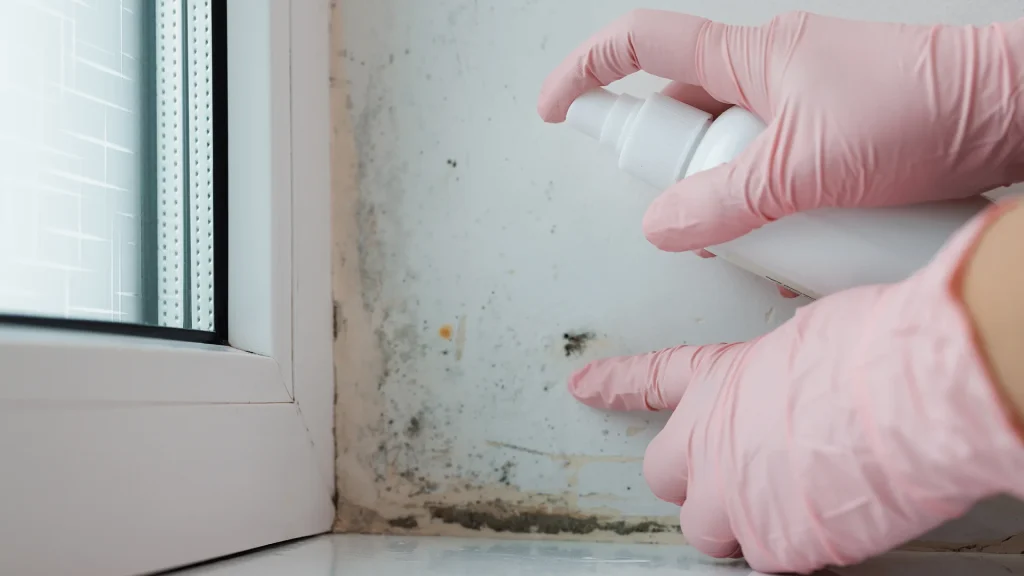
Why Mould Is a Serious Biohazard:
Mould is more than an unsightly problem, it is a significant biohazard that can pose serious health risks. Mould thrives in damp, poorly ventilated environments and spreads by releasing microscopic spores into the air. Once inhaled, these spores can cause respiratory issues, allergic reactions, and long-term health complications.
How Mould Develops in Properties:
Mould commonly forms after water damage, leaks, flooding, or prolonged humidity. Bathrooms, basements, and unused rooms are particularly vulnerable. In properties affected by neglect or previous biohazard incidents, mould can grow rapidly and go unnoticed for long periods.
In some cases, mould growth may follow a death clean, especially if bodily fluids or moisture were present for an extended time before cleanup. These environments create ideal conditions for microbial growth if not treated professionally.
Health Risks Associated with Mould Exposure:
Exposure to mould can trigger symptoms ranging from mild irritation to severe illness. Common health effects include:
- Breathing difficulties and asthma flare-ups
- Skin and eye irritation
- Persistent coughing and headaches
People with compromised immune systems are especially vulnerable, making mould a serious concern in residential and commercial settings.
Why Professional Mould Remediation Is Essential:
DIY cleaning methods often fail to fully remove mould and can even spread spores further. Professional biohazard cleaning teams use specialised equipment to contain, remove, and disinfect affected areas safely. This ensures mould does not return and that the environment is safe for occupancy.
Mould should never be ignored. As a biohazard, it requires prompt and professional attention to protect both health and property. Addressing mould early can prevent extensive damage and costly repairs.
