
The Hidden Dangers of DIY Biohazard Cleaning
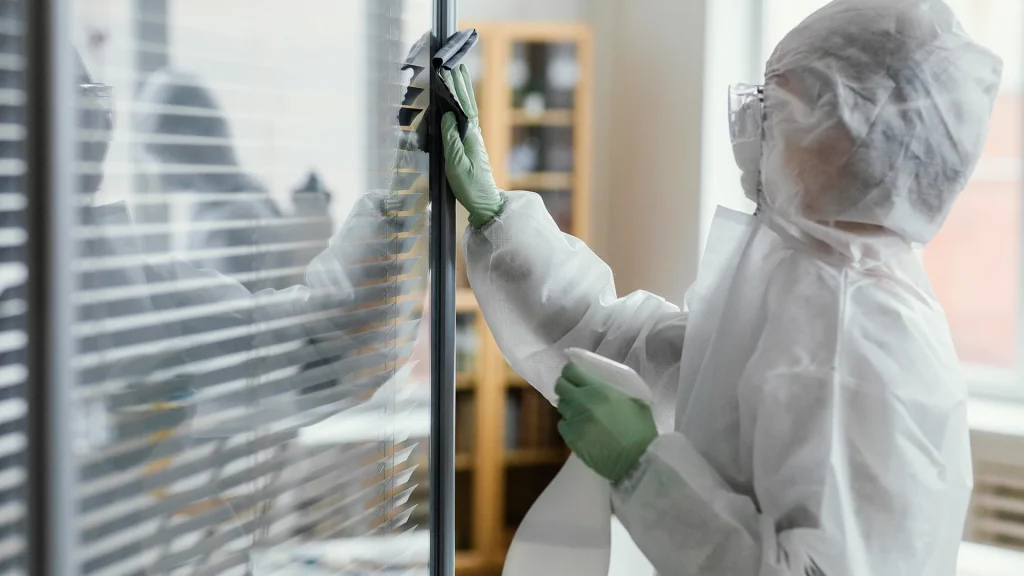
When faced with a biohazard situation, many people assume it can be handled with household cleaning products and protective gloves.
Whilst this may seem like a cost-effective or quick solution, DIY biohazard cleaning carries many serious and often invisible risks.
Biohazards are not the same as everyday messes. Without proper training, equipment, and procedures, attempting to clean them yourself can put you at risk.
Here’s why DIY biohazard cleaning is far more dangerous than it appears.
What Counts as a Biohazard?
Biohazardous materials include any substances that pose a risk to human health, such as:
- Blood and bodily fluids
- Human or animal waste
- Contaminated sharps or materials
- Bacteria, viruses, and pathogens
- Decomposition or trauma-related contamination
These materials can carry infectious diseases and harmful microorganisms long after the visible mess is gone.
The Health Risks You Can’t See:
One of the biggest dangers of DIY biohazard cleaning is invisible contamination.
Even after surfaces look clean, harmful pathogens can remain embedded in:
- Carpets and upholstery
- Floor cracks and porous materials
- Walls, furniture, and fixtures
- HVAC systems and shared air spaces
Exposure can lead to serious illnesses, infections, or long-term health complications, especially without proper protective equipment.
Household Cleaners Aren’t Enough
Standard cleaning products are designed for general hygiene, not biohazard decontamination.
DIY cleaning often fails because:
- Household disinfectants may not kill all pathogens
- Incorrect dilution reduces effectiveness
- Wiping can spread contamination rather than remove it
- Bleach misuse can create toxic fumes
Professional biohazard cleaners use industrial-grade disinfectants specifically designed to neutralize hazardous biological materials safely.
Lack of Proper Protective Equipment
Gloves and masks from a hardware store do not provide adequate protection against biohazards.
Professional biohazard teams use:
- Full PPE suits
- Respirators or filtered masks
- Eye and face protection
- Controlled removal and containment tools
Without this equipment, DIY cleaners risk direct exposure through skin contact, inhalation, or accidental cross-contamination.
Improper Disposal Is a Legal and Environmental Risk
Biohazard waste cannot be thrown away with regular rubbish.
Improper disposal can:
- Violate health and environmental regulations
- Expose waste handlers and the public to danger
- Result in fines or legal consequences
Professional cleaners ensure all biohazard waste is sealed, transported, and disposed of according to strict regulatory guidelines.
Emotional and Psychological Impact
Biohazard situations often involve traumatic events such as accidents, injuries, or unattended deaths.
Attempting to clean these scenes yourself can:
- Cause emotional distress or trauma
- Increase anxiety or shock
- Delay emotional recovery
Professional services allow individuals and families to step back while trained specialists handle the situation with discretion and care.
Why Professional Biohazard Cleaning Is the Safer Choice
Choosing a professional biohazard cleaning service ensures:
- Complete decontamination, not just surface cleaning
- Protection of health and safety
- Compliance with regulations
- Discreet, compassionate handling
- Peace of mind that the space is truly safe
What may seem like a DIY solution can quickly turn into a serious health hazard, or an even more expensive problem if contamination is missed.
Don’t Risk What You Can’t See
Biohazard cleaning is a highly specialized service for a reason. The dangers aren’t always visible, but the consequences can be severe.
When health, safety, and wellbeing are on the line, professional biohazard cleaning isn’t a luxury, it’s a necessity.
